
Supplement label problems often start with one mistake: treating labelling as a design task instead of part of product development.
In Malaysia, your nutrition information and claims must match the product formulation and applicable requirements. Your packaging format also needs to leave enough space for the required information.
If these are only checked after printing, you may need to change the artwork or re-engrave the printing plates, adding extra cost and delays.
This article covers the three manufacturing anchors behind product labelling requirements in Malaysia for food supplements under the Food Regulations 1985, how they apply across four product categories, and the five specifications to confirm before production.
Products classified as food supplements are regulated under Malaysia’s food regulatory framework, while products classified as health supplements are regulated by the NPRA.
Key Takeaways
- Nutrition panels are based on product data: Use accredited lab testing or a validated batch calculation for your product’s nutrition figures.
- Claims depend on the formulation: Front-of-pack claims must meet the relevant requirements. For example, claims such as “source of protein” or “high protein” depend on the product’s protein content and applicable requirements.
- Packaging format limits your text: Small packs may push mandatory information onto the outer packaging.
- Requirements vary by product category: Meal replacements, collagen drinks, electrolyte drinks, and functional foods have different considerations.
- Pre-print checks reduce rework: Confirm nutrition data, statutory text, classification, and certification details before printing.
The Three Manufacturing Anchors of Compliant Labelling

A compliant label starts with formulation, testing, and packaging decisions. These need to be established before your designer finalises the artwork.
1. Where do Your Nutrition Panel Numbers Come from?
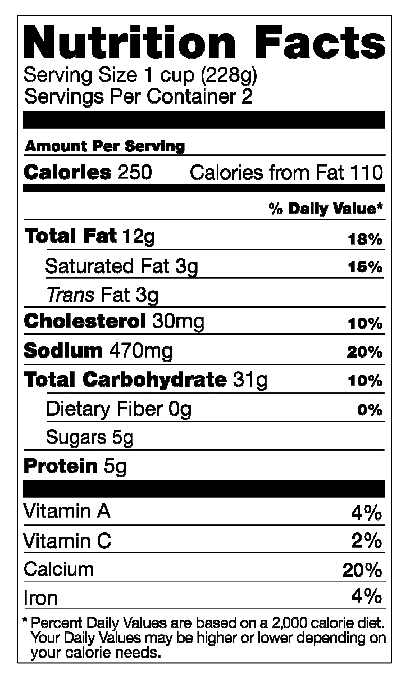
Your nutrition panel values should be based on reliable data from your actual formulation, such as accredited laboratory testing or a validated calculation using the ingredients and quantities in your formulation. Online nutrition databases and competitor labels should not be treated as substitutes for data specific to your finished product.
Brand owners sometimes assume a graphic designer can copy energy, protein, fat, and carbohydrate values from a similar product already on the market. In practice, these figures need to reflect your own formulation and the product as sold.
Importance: Under Regulation 18B of the Food Regulations 1985, nutrition information has to reflect the product as sold. The final figures should therefore be based on the finished formulation rather than the initial recipe alone. In practice, testing after thermal processing may also be necessary because cooking and sterilisation can change nutrient levels.
Nutrition data may be supported by testing from a SAMM-accredited laboratory or, where appropriate, a validated formulation calculation. Your manufacturer can then use those results to finalise the nutrition panel before the artwork is approved.
2. Claims are Formulation Outcomes, Not Copy Decisions
Front-of-pack terms such as “High,” “Source of,” “Low,” and “Sugar-Free” can carry specific regulatory meaning. Their use should therefore be considered alongside the formulation and the applicable claim requirements.
Phrases such as “High Protein,” “Low Calorie,” or “Sugar-Free” should be reviewed before artwork approval to confirm that the product formulation supports the proposed wording.
Protein claims are one example of how different terms can carry different thresholds:
Claim | Example threshold |
Source of Protein | Protein provides more than 10% of the Nutrient Reference Value (NRV) |
High Protein | Protein provides at least double the “Source of Protein” share |
The distinction between “Source of Protein” and “High Protein” illustrates why claim wording should be selected carefully. Different terms may require different levels of formulation support.
Importance: This table is one example only. Other nutrition and front-of-pack claims may be subject to their own conditions, so proposed wording should be checked against the formulation before printing.
Protech’s product registration and label screening service reviews formulation data and proposed claims before the artwork proceeds to print.
3. How does Packaging Format Affect What Fits on the Label?
Packaging format determines how much mandatory label information, such as nutrition details, ingredient declarations and allergen information, can physically fit on the pack.
In practice, the available label space can vary significantly by pack format. For example:
- Stick-pack sachets (commonly 10g): Limited surface area; once total label surface drops below roughly 100 cm², mini-pack exemption rules may apply
- Statutory text height: The Food Regulations 1985 set minimum letter sizes in points, typically no smaller than 4-point for the ingredient statement and 10-point as the general default, depending on the element and format
- Tub cartons: Generally provide enough surface area for a fuller bilingual panel, so space is less restrictive
Important note: sachets may not have enough room for all mandatory label information. In those cases, bilingual text, the ingredient list, and the manufacturer address may need to sit on outer packaging such as a display box or pouch.
Discuss your intended pack format with Protech’s OEM packaging design team before the dies are cut. This allows the statutory information and available print area to be assessed together.
Checking formulation and packaging feasibility before artwork approval can prevent one of the more costly mistakes in OEM food supplement labelling: engraving printing plates for artwork that later needs to be changed because of testing results or packaging constraints.
Who Handles What before Label Approval?
A compliant label usually involves several parties, but they do not play the same role.
- Formulation and technical teams: Confirm the product formula, nutrition data, ingredient classification, and whether proposed claims are supported.
- Packaging teams: Check the pack format, printable area, and whether mandatory information can fit at the required size.
- Designers: Organise the approved information into the final artwork. They should not be expected to determine which claims or technical declarations are legally supportable.
- Brand owners: Review the final commercial wording, product positioning, and artwork before approval.
Keeping these responsibilities clear helps prevent a common handover problem: sending incomplete technical information to the designer and expecting the artwork stage to resolve it. By the time the file reaches design, the core labelling decisions should already be settled.
If you are still mapping when formulation, packaging and regulatory steps happen, our supplement launch timeline for Malaysia explains how these stages fit together from the initial product idea through to first production.
How Labelling Rules Apply across Four Supplement Categories
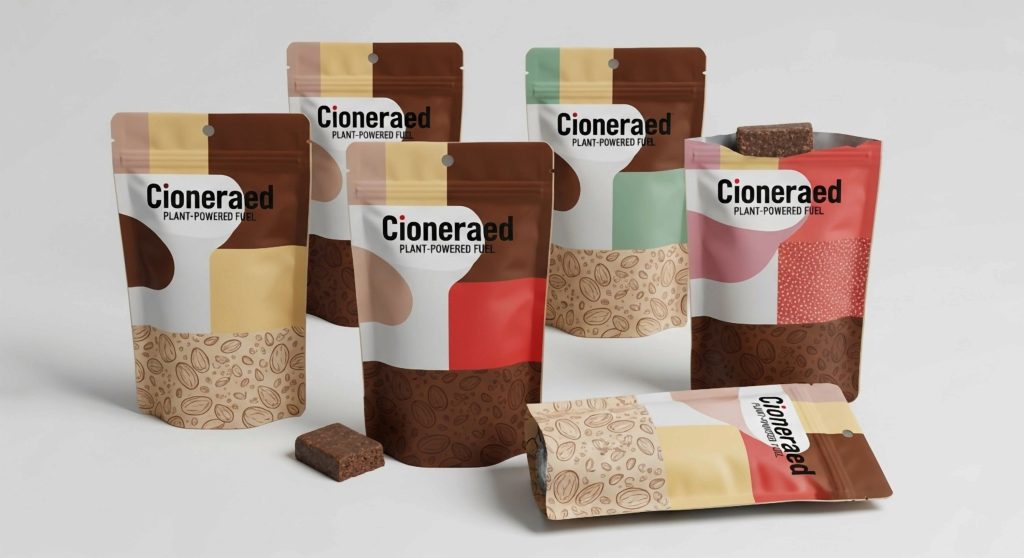
The three manufacturing anchors above apply differently depending on what you are producing. Here is how they can affect products within Protech’s OEM health and beauty supplement range.
Product category | Labelling consideration | What must be settled |
Complete meal replacements | Calling it a “diet shake” without meeting required nutrition criteria | Macro balance, protein share, vitamin/mineral premix, calorie density |
Collagen drinks and powders | Using cosmetic-style claims on a food product | Peptide dose, permitted claims, product classification |
Electrolyte and hydration drinks | Using “isotonic” or energy claims without supporting formulation | Sodium, potassium, carbohydrate ratios |
General functional foods and beverages | Adding botanicals at doses that change product classification | Ingredient classification and permitted dosage |
The principle remains the same across all four categories: the label can only say what the formulation has already established.
The Pre-Print Checklist: Five Specifications to Confirm before Printing

For a food supplement OEM in Malaysia, labelling requirements are tied to the same formulation, testing, packaging, and certification decisions that shape the finished product. Confirm these five specifications before releasing artwork for printing.
- Lab nutrition testing: Confirm whether your panel is based on accredited lab results or a validated theoretical calculation, and which figures will be used for the final print run.
- Bilingual language requirements: Confirm which mandatory information must appear in Bahasa Malaysia, which information can appear in English, and where each language will sit on your chosen pack.
- Font size compliance: Confirm the minimum point size for statutory text, typically no smaller than 4-point for the ingredient statement and 10-point as the general default, depending on the element and format.
- Ingredient classification check: Screen active ingredients, particularly botanicals and high-dose extracts, for food versus pharmaceutical classification before finalising the formulation. Protech’s raw material sourcing team screens ingredients against NPRA requirements before they enter the formulation.
- Halal logo protocol: Confirm when the JAKIM Halal logo can be added.
Important note: It can only appear once certification has been formally granted for that specific formulation at a certified facility. It should not be included on an early pre-printed run.
Working through these specifications with Protech’s OEM consulting team gives you an opportunity to resolve technical issues while changes are still practical.
Where additional regulatory confirmation is needed, brand owners can also use the Ministry of Health’s FOSIM food labelling advisory service to check proposed labels against the Food Regulations 1985.
What Changes Should Trigger Another Label Review?
A label that was suitable for one production run may need to be checked again if the product or pack changes.
Common triggers include:
- Changing a raw material supplier or ingredient source;
- Adjusting the dosage of an active ingredient;
- Changing the flavour system, sweetener, or another formulation component;
- Revising the serving size or recommended intake;
- Moving to a different pack size or packaging format;
- Adding or changing a front-of-pack nutrition or marketing claim.
These changes can affect nutrition values, ingredient declarations, product classification, available label space, or whether an existing claim is still supportable.
Treat label approval as tied to the approved product and packaging specification rather than as a one-time design exercise. If the specification changes, review the affected label elements before the next print run.
If you have not yet mapped your full supplement brand cost structure, our guide to budgeting for a supplement brand in Malaysia covers the main cost components to plan for before you commit capital.
Getting Your Label Right the First Time
Food supplement labelling in Malaysia is part of the manufacturing process, even though it appears on the final packaging.
Bring your manufacturer into the discussion while you can still adjust the formulation, claims, and pack format. If you already have packaging artwork with a designer or printer, have the technical details reviewed before the final file goes for plate or cylinder engraving.
Confirming these details early can reduce rework and help keep your production timeline on track.
Protech Health Sciences supports this process with:
- Over 20 years of OEM and ODM manufacturing experience: Supporting health and beauty supplement development from formulation through production
- Formulation and packaging under one team: In-house formulation, lab testing coordination, and packaging support work from the same project brief
- GMP and HACCP-compliant manufacturing: Nutrition data, claims, and packaging requirements can be reviewed while the formulation can still be adjusted
Contact our OEM formulation specialists about your nutrition data, permitted claims, and packaging format before you commit to print.
Turn Your Product Idea into Reality
From formulation to packaging and regulatory support, partner with
experienced OEM specialists to turn your product
idea into a market-ready brand.
Frequently Asked Questions (FAQs)
A rejection usually traces back to an item that was not confirmed before printing, such as a claim threshold, bilingual text placement, or Halal logo timing. Protech's label screening is designed to identify these issues before artwork reaches the printer.
If a rejection happens after submission, the required correction will depend on the cause. A copy or formatting issue may only require an artwork amendment, while an issue with the underlying product may require changes to the formulation.
Food supplements are labelled under the Food Act 1983 and Food Regulations 1985, while health supplements registered with NPRA follow a separate regulatory framework and carry a MAL number.
Confirming the product classification early is important because it determines which labelling framework applies.
You may need to retest if the supplier change affects the product's actual composition. A different collagen source or reformulated flavouring, for example, can change protein, sugar, or micronutrient values.
Review the change with your manufacturer before relying on existing nutrition results or claims based on those figures.
It depends on the ingredient, plant part, and dosage. An ingredient may remain within the food category when it meets the applicable food-use conditions, while higher or medicinal-style dosing may change the product's regulatory classification.
Confirm this before finalising the formulation because the classification determines which labelling requirements apply.
Not automatically. A different pack size changes the available surface area, which can affect where statutory text and bilingual information can be placed.
Each pack size should be checked against the same formulation data. Simply scaling the original artwork may not account for the requirements of the new format.
Packaging material affects barrier performance, which can influence shelf life and the storage conditions that need to be communicated on the pack.
For powder products in particular, moisture protection can affect product stability. Packaging specification, shelf-life assessment, and label wording should therefore be considered together.