Malaysia’s pet care industry is growing rapidly as more pet owners treat their furry companions as family members. From joint health supplements for ageing dogs to probiotics for digestive support, demand for high-quality pet supplements has never been stronger.
For entrepreneurs already familiar with the human supplement industry, launching a pet supplement brand in Malaysia may seem like a natural next step. After all, the manufacturing process, branding journey, and route to market appear similar.
However, there are several critical differences that every founder needs to understand before expanding into the pet wellness market.
From a completely different regulatory authority to unique ingredient safety considerations and product format preferences, developing supplements for animals requires a different approach altogether.
In this guide, we’ll explore the key differences between human and pet supplements so you can build your brand on the right foundation.
Why the Pet Supplement Market Is Attracting Entrepreneurs
Pet ownership continues to rise across Malaysia, with many owners investing more in preventive healthcare rather than waiting until their pets become ill.
Today’s consumers are looking for products that support:
- Joint mobility
- Skin and coat health
- Oral health
- Digestive wellness
- Immune support
- Anxiety and calming
- Healthy ageing
This shift has created exciting opportunities for businesses looking to diversify beyond traditional human health supplements.
However, success depends on understanding that pets are not simply “small humans”—their nutritional needs, physiology, and regulatory requirements are fundamentally different.
1. The Regulatory Authority Is Different
Perhaps the biggest adjustment for founders entering the pet supplement market is understanding that the regulatory pathway differs significantly from human supplements.
For human health supplements, businesses are generally familiar with Malaysia’s National Pharmaceutical Regulatory Agency (NPRA).
Pet supplements, however, fall under the jurisdiction of the Department of Veterinary Services (DVS) Malaysia, which oversees veterinary products and animal health.
|
Human Supplements |
Pet Supplements |
|
Regulated by NPRA |
Regulated by DVS Malaysia |
|
Human health framework |
Animal health framework |
|
Human product requirements |
Veterinary and animal product requirements |
This distinction affects everything from product documentation and ingredient assessment to labelling expectations and market approvals.
Founders should therefore work with a manufacturer that understands the applicable regulatory framework for pet products rather than assuming the same process used for human supplements will apply.
2. Ingredient Safety Rules Are Completely Different
One of the most common mistakes new founders make is assuming that ingredients considered safe for humans are automatically safe for pets.
In reality, some ingredients that appear in everyday human foods and supplements can be harmful—or even toxic—to dogs and cats.
Examples include:
|
Ingredient |
Potential Risk to Pets |
|
Xylitol |
Can cause severe hypoglycaemia and liver damage in dogs |
|
Garlic |
May damage red blood cells, particularly in dogs and cats |
|
Grape or grape extract |
Associated with kidney toxicity in dogs |
|
Certain essential oils |
May be toxic depending on the species, concentration, and method of exposure |
This means ingredient selection for pet supplements requires a dedicated safety assessment based on the intended animal species.
Rather than simply adapting an existing human formula, founders should carefully review every active ingredient, excipient, flavouring, sweetener, and preservative to ensure suitability.
Working with experienced formulation specialists can help identify potential risks early in product development.
3. Product Formats Differ from Human Supplements
Consumer preferences also differ significantly between humans and pets.
While capsules remain one of the most popular dosage forms for human supplements, they are generally less practical for pets.
Instead, pet owners often prefer products that are easier to administer and more appealing to their animals.
Common pet supplement formats include:
- Chewable tablets
- Powders
- Liquids
- Capsules
- Functional treats
- Soft chews
These formats are designed to improve acceptance and simplify daily supplementation, especially for dogs and cats that may resist swallowing capsules.
When developing a product, founders should consider not only ingredient stability but also palatability. Taste and aroma play an important role in whether a pet willingly consumes the supplement.
4. Flavour Development Matters Much More
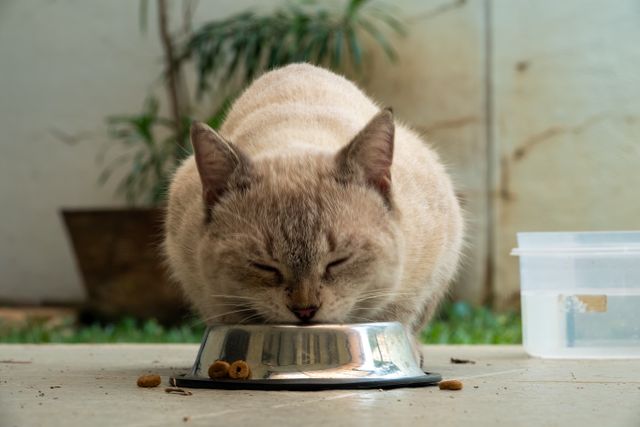
In human supplements, flavour is often a secondary consideration.
For pets, it can determine whether the product succeeds or fails.
Many successful pet supplements incorporate flavours that animals naturally enjoy, such as:
- Chicken
- Beef
- Duck
- Liver
- Fish
Choosing the right flavour profile helps improve compliance, making it easier for pet owners to provide supplements consistently.
An experienced pet supplement manufacturer in Malaysia can advise on flavour systems that balance palatability with ingredient compatibility.
Turn Your Product Idea into Reality
From formulation to packaging and regulatory support, partner with
experienced OEM specialists to turn your product
idea into a market-ready brand.
5. Minimum Order Quantities (MOQs) May Be Different
Entrepreneurs familiar with human supplement manufacturing may expect similar production requirements for pet products.
However, MOQs can vary depending on factors such as:
- Product format
- Packaging type
- Ingredient sourcing
- Manufacturing process
- Custom flavour development
Some formats, particularly soft chews, may involve more specialised production equipment and therefore different commercial considerations compared to capsules or tablets.
Discussing MOQ expectations early with your OEM partner helps ensure your product development plan aligns with your budget and business goals.
From formulation to finished product, Protech Health Sciences’s Pet Supplement OEM Solutions are designed to support brands at every stage of development.
6. Labelling Requirements Need a Different Approach
Product labels for pet supplements serve a different purpose from those intended for human consumers.
In addition to branding and product information, labels should clearly communicate:
- Intended animal species
- Feeding or dosage instructions
- Storage conditions
- Net contents
- Ingredient information
- Manufacturer details
- Appropriate warnings where applicable
Clear, accurate labelling helps build consumer confidence while supporting regulatory compliance.
7. Marketing a Pet Supplement Brand Requires a Different Mindset
Although the end customer is a pet owner, the product is ultimately intended for an animal.
As a result, marketing strategies often focus on:
- Supporting pet wellbeing
- Maintaining quality of life
- Everyday health maintenance
- Responsible pet ownership
- Science-backed ingredients
- Product quality and safety
Founders should avoid making exaggerated or unsubstantiated claims and instead communicate benefits in a responsible, evidence-based manner.
8. Choose a Product Category Based on Market Demand
One advantage of entering the pet supplement industry today is that consumers are becoming increasingly aware of preventive pet healthcare. However, that doesn’t mean every product category offers the same commercial opportunity.
Rather than trying to develop a supplement that addresses every aspect of pet health, first-time founders are often better off focusing on a specific health concern with consistent market demand. A targeted product is easier to position, market, and differentiate in an increasingly competitive landscape.
Some of the most popular pet supplement categories include:
|
Health Concern |
Common Supplement Ingredients |
Typical Product Format |
|
Joint health |
hondroitin, MSM, Collagen Type II, Curcumin |
Chewable tablets, powders, capsules |
|
Skin & coat health |
Omega-3 fatty acids, biotin, zinc |
oils |
|
Digestive health |
Probiotics, prebiotics, digestive enzymes |
Powders |
|
Immune support |
Beta-glucans, vitamins, antioxidants |
Powders, Chewable tablets |
|
Calming & stress support |
L-theanine, chamomile*, tryptophan |
Powders |
Ingredient suitability depends on the target species and formulation. All ingredients should undergo a proper safety assessment before use.
When deciding which product to develop, consider factors such as:
- Existing market demand
- Your target pet species (dogs, cats, or both)
- Manufacturing feasibility
- Ingredient availability
- Opportunities to differentiate your brand
By starting with a clearly defined product category, you can build a stronger brand identity and expand into additional pet health segments as your business grows.
Human vs Pet Supplements: A Quick Comparison
| Aspect | Human Supplements | Pet Supplements |
|---|---|---|
| Regulatory authority | NPRA | DVS Malaysia |
| Target user | Humans | Animals |
| Ingredient assessment | Human safety | Species-specific safety |
| Popular dosage forms | Capsules, tablets, powders | Soft chews, chewables, powders, liquids |
| Flavour importance | Moderate | Very high |
| Labelling focus | Human consumption | Animal species and feeding directions |
Choosing the Right Pet Supplement OEM Partner

Developing a successful pet supplement goes beyond manufacturing.
Your OEM partner should be able to support:
- Product formulation
- Ingredient sourcing
- Regulatory guidance
- Packaging selection
- Quality assurance
- Product testing
- Manufacturing scalability
Choosing an experienced pet supplement OEM Malaysia provider can help reduce development risks while ensuring your product is built on sound technical and regulatory foundations.
Looking to start your own health supplement business? Check out How to Start Your Own Brand Health Supplement Business in Malaysia and start your journey in creating a brand that lasts.
Build Your Pet Supplement Brand with Confidence
Expanding into the pet wellness industry offers exciting opportunities, but it also comes with unique regulatory, formulation, and manufacturing considerations.
By understanding the key differences between human and pet supplements—from DVS Malaysia requirements to species-specific ingredient safety and pet-friendly product formats—you can avoid costly mistakes and bring safer, more effective products to market.
Whether you’re launching your first pet supplement brand in Malaysia or adding a new pet line to an existing health supplement business, partnering with an experienced OEM manufacturer can help simplify the journey from concept to commercialisation.
Ready to develop your pet supplement brand? Contact Protect Health Sciences today to discuss your formulation ideas and discover how our OEM manufacturing expertise can help bring your vision to life.
Turn Your Product Idea into Reality
From formulation to packaging and regulatory support, partner with
experienced OEM specialists to turn your product
idea into a market-ready brand.
Frequently Asked Questions (FAQs)
No. Pet supplements are generally regulated by the Department of Veterinary Services (DVS) Malaysia, rather than the National Pharmaceutical Regulatory Agency (NPRA).
Not necessarily. Ingredients that are safe for humans may not be suitable for pets. Every formulation should undergo a separate review based on the intended animal species and applicable regulatory requirements.
Chewable tablets, powders, liquids, and functional treats are among the most popular formats because they are generally easier for pet owners to administer.
Yes. Protech Health Sciences provides OEM and contract manufacturing solutions to help businesses develop high-quality pet supplement products tailored to market needs and regulatory expectations.