
Planning to start your own supplement brand in Malaysia? Before you get into the exciting parts like choosing a brand name, designing a logo, or planning your packaging, it is important to understand how much budget you should prepare.
The tricky part is that there is no fixed answer. Your budget can change depending on what you want to produce, how customised the product is, the ingredients involved, and the scale of your launch.
This may sound like you need deep pockets just to get started, but that is not always the case. With the right planning, starting a supplement brand in Malaysia is more feasible when you understand where your money goes and which costs matter most.
In this guide, we explain the 11 essential costs for starting a supplement brand in Malaysia, so you can plan your budget more clearly before beginning your OEM supplement project.
Key Takeaways:
- Supplement brand costs vary based on product type, formula, ingredients, MOQ, packaging, and launch needs.
- Manufacturing is only one part of the budget; branding, compliance, marketing, logistics, and reorders matter too.
- Ready formulas are usually simpler, while custom formulas may require more development and testing.
- Trendy formats like gummies, films and shots can increase production and packaging complexity.
- Understanding each cost component helps you budget more clearly before requesting an OEM quote.
Why does Supplement OEM Pricing Vary So Much?
Many manufacturers advertise 90-day timelines for supplement launches. What they’re referring to is production time, the manufacturing process itself. However, legal market entry in Malaysia requires regulatory approval first, which operates on a different timeline.
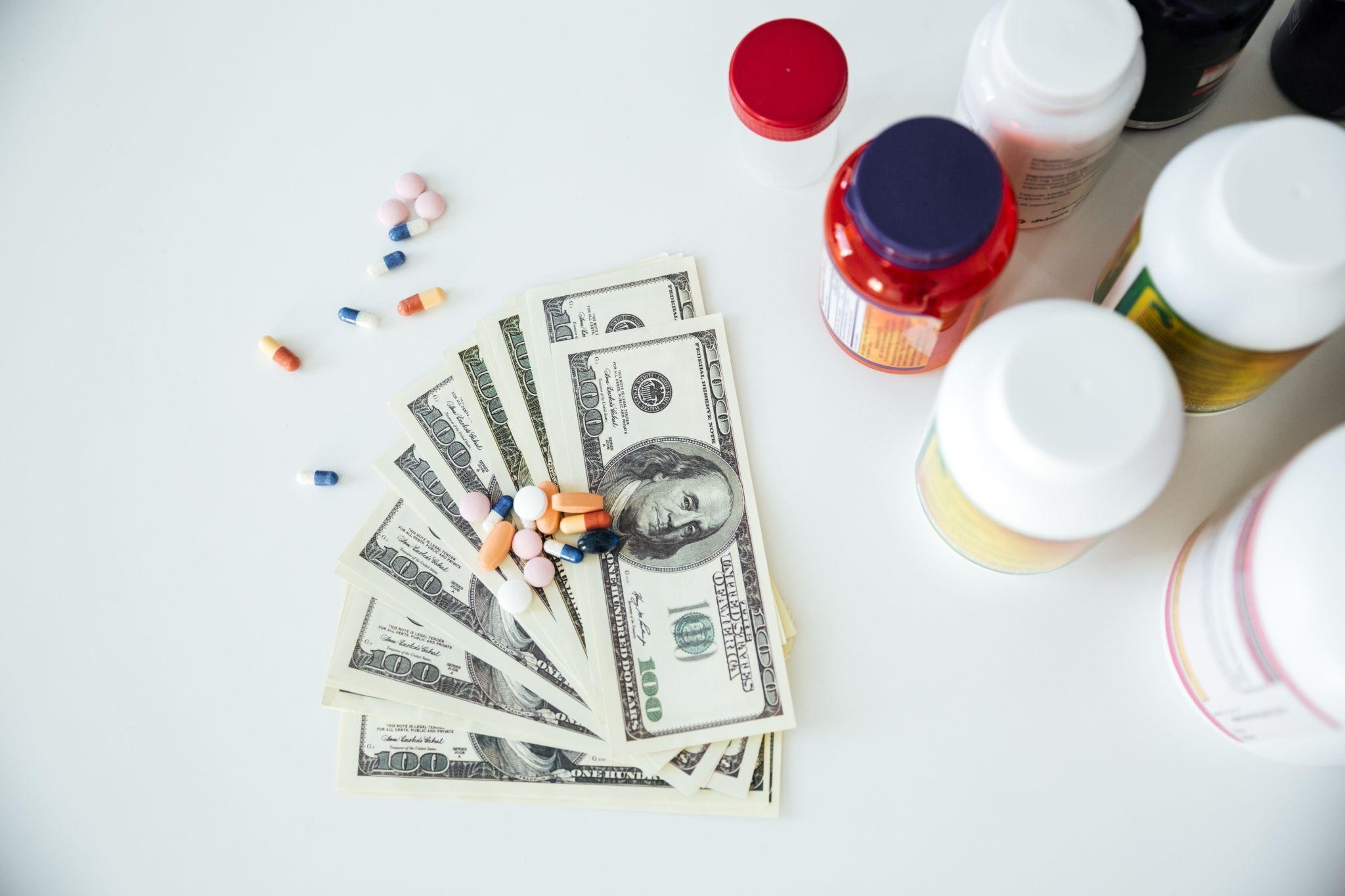
Supplement OEM pricing can vary widely because every product is developed differently. The final cost is based not only on production quantity but also on the formula, ingredients, product format, packaging, compliance requirements, and the level of OEM support required.
For example, a ready-formula capsule may be more straightforward to produce than a custom powder that requires flavour development, imported ingredients, sachet packaging, and multiple rounds of sampling.
This is why it is difficult to compare OEM quotations based on price alone. A lower quote may not always include the same level of formulation support, documentation, testing, or compliance guidance, while a higher quote may reflect more customised development, premium ingredients, or additional support throughout the launch process.
11 Essential Costs for Starting a Supplement Brand in Malaysia
Once you understand why supplement OEM pricing can vary, the next step is knowing what actually goes into your launch budget. Manufacturing is a major cost, but it is not the only one.
1. Product Concept and Market Research Cost

Before producing a supplement, you need to be clear about what you are creating, who it is for, and how it will stand out.
This stage helps you define important details such as:
- Target audience: Who the supplement is for
- Product category: Whether you want to enter areas like beauty, wellness, fitness, gut health, or general nutrition
- Product positioning: How your product will stand out from similar supplements in the market
- Pricing direction: Whether your product should be mass-market, mid-range, or premium
- Sales channel: Whether you plan to sell through Shopee, Lazada, TikTok Shop, clinics, pharmacies, or your own website
For example, instead of simply deciding to launch a “collagen supplement,” you need to consider who it is for, which benefit you want to focus on, which format makes sense, and how it will differ from other collagen supplements in Malaysia.
This cost can vary depending on:
- How clear your product idea already is
- How competitive your chosen category is
- Whether you need support with positioning or market research
- Whether you already know your target customer and sales channel
Founders’ note: An unclear product idea can affect the rest of your budget. Without proper research, you may develop a supplement that is difficult to price, hard to market, or too similar to competitors.
2. Formula Development Cost
Formula development is when your supplement idea begins to take shape as a real product. It includes deciding what ingredients to use, how they work together, what dosage is needed, and whether the product will use a ready formula or a customised formula.
These decisions can affect your manufacturing cost, product claims, taste, texture, stability, packaging, and compliance preparation.
Formula development cost can vary depending on:
- Ready formula or custom formula: A ready formula is usually more straightforward, while a custom formula may require more development work.
- Number of active ingredients: More ingredients can increase formulation complexity and raw material cost.
- Ingredient type: Premium, imported, branded, or specialised ingredients may cost more.
- Product formats: Powders, drinks, gummies, and sachets may require additional testing for taste, texture, and stability.
- Claims direction: The formula needs to support the type of benefit you want to communicate.
Founders’ note: The best products are not always the ones with the most ingredients. They are the ones with the right ingredients. A well-selected active ingredient, supported by science and used at an effective level, can often be more valuable than a formula packed with unnecessary additions.
More ingredients may sound impressive, but they can increase costs, affect taste, create regulatory challenges, and make the final product harder to price competitively. Select ingredients that matter, formulate with purpose, and let efficacy speak for itself.
3. Ingredient and Raw Material Cost
Ingredient and raw material costs are one of the biggest factors that can affect your supplement budget. This includes the active ingredients, supporting ingredients, flavouring, sweeteners, capsule shells, fillers, or other materials needed to produce the final product.
This cost can vary depending on:
- Ingredient source: Imported or hard-to-source ingredients may cost more than common local or standard ingredients.
- Ingredient quality: Premium-grade, branded, patented, or clinically studied ingredients can increase the budget.
- Dosage level: A higher dosage or concentration usually requires more raw material per unit.
- Ingredient stability: Sensitive ingredients, such as probiotics or certain plant extracts, may need special handling or storage.
- Halal suitability: Ingredients with animal-based sources may require additional checks and documentation.
- Supplier availability: Limited supply, long lead times, or currency changes can affect raw material cost.
Founders’ note: Ingredients in the same category are not always priced the same way. Not all collagen, probiotics, vitamins, or botanical extracts have the same cost because source, quality, concentration, and documentation can all affect the final budget.
4. Product Format, Sampling, and Prototype Cost
Product format refers to whether your supplement comes in capsules, tablets, powders, sachets, gummies, liquids, or drinks. Each format can affect the cost because it may require different production methods, packaging, testing, and sample development.
This cost can vary depending on:
- Format type: Capsules and tablets are usually more straightforward, whereas powders, gummies, sachets, and drinks may require further development.
- Taste and texture: Flavoured powders, gummies, and drinks may require adjustments to sweetness, mouthfeel, and aftertaste.
- Stability needs: Some ingredients or formats may be more sensitive to heat, moisture, or storage conditions.
- Sample rounds: More revisions can increase development time and cost.
- Packaging fit: Sachets, pouches, bottles, jars, or stick packs can affect production and testing needs.
Founders’ note: Trendy formats are not always the most budget-friendly. Gummies, films and shots may appeal to customers, but they can require more testing, packaging, and production planning than a simple capsule or tablet.
5. MOQ and Production Volume Cost

MOQ, or minimum order quantity, refers to the minimum number of units a manufacturer needs to produce for your supplement project. It affects your budget because production involves purchasing raw materials, preparing packaging, setting up machinery, hiring manpower, and conducting quality checks.
This cost can vary depending on:
- Product format: Capsules, tablets, powders, sachets, gummies, and liquids may have different MOQ requirements.
- Ingredient MOQ: Some raw materials must be purchased in minimum quantities from suppliers.
- Packaging MOQ: Custom bottles, labels, boxes, sachets, or pouches may have their own minimum order requirements.
- Batch size: Larger production runs may reduce cost per unit but increase your upfront investment.
- Customisation level: Custom formulas and packaging may require higher MOQ than standard options.
Founders’ note: A lower cost per unit does not always mean a lower startup budget. Larger MOQs may make each unit cheaper, but they also require more upfront cash, storage space, and inventory planning.
6. Packaging and Labelling Cost
Packaging and labelling costs cover the materials used to protect, present, and communicate your supplement. This may include bottles, jars, sachets, pouches, boxes, labels, seals, inserts, scoops, or outer cartons.
This cost can vary depending on:
- Packaging type: Bottles, boxes, sachets, pouches, jars, or stick packs can have different costs.
- Customisation level: Custom shapes, sizes, colours, or premium finishes may increase the budget.
- Printing requirements: Labels, boxes, and sachets may involve different printing costs and minimum order quantities.
- Product protection: Some supplements may need moisture protection, light protection, seals, or special packaging materials.
- Compliance details: Labels must include accurate product information, claims, warnings, dosage instructions, and regulatory details.
Founders’ note: Packaging should not be designed solely on appearance. If the label or claims need to be revised later for compliance, you may face extra design, printing, and delay costs.
7. Regulatory and NPRA Compliance Cost
Regulatory and NPRA compliance costs are the costs incurred for preparing your supplement to meet Malaysia’s health supplement requirements before it is marketed. This may include product classification, formula review, label review, claims checking, documentation, and registration-related preparation.
This cost can vary depending on:
- Product category: Some products may require more review depending on their ingredients and intended use.
- Ingredient profile: Products with multiple actives, imported ingredients, or animal-derived ingredients may need more documentation.
- Claims direction: Stronger or more specific claims may require closer review to avoid misleading or unsupported messaging.
- Label complexity: More product details, warnings, dosage instructions, or claims may require additional checking.
- Testing and documentation: Some products may need extra supporting documents, quality checks, or clarification.
Founders’ note: Compliance should not be treated as a final step after the formula and packaging are done. If claims, ingredients, or labels need to be changed later, it can lead to redesign, reprinting, and launch delays.
8. Halal Consideration and Certification-Related Cost
Halal-related cost refers to the preparation needed if you want your supplement to meet halal requirements or pursue halal certification. This may involve ingredient checks, supplier documentation, manufacturing facility readiness, audit preparation, and certification-related fees.
This cost can vary depending on:
- Ingredient source: Animal-based, marine-based, or imported ingredients may need additional checks.
- Supplier documentation: Some ingredients may require halal certificates or supporting documents from suppliers.
- Manufacturing and handling: The production facility and handling process need to meet halal requirements.
- Number of SKUs: More product variants may increase the amount of documentation and review needed.
- Renewal or additional applications: Halal certification may involve renewal or extra applications for new products.
Founders’ note: Being Halal-ready and being Halal-certified are two different things. If budget is a concern, you may not need to obtain Halal certification from the first production run. However, formulating with Halal-compliant ingredients, suitable suppliers, and proper documentation from the start gives your brand the flexibility to certify later, when the business case is stronger.
Think ahead: build for Halal today, certify when the time is right.
9. Branding, Design, and Product Copy Cost
Branding, design, and product copy cost covers how your supplement looks, sounds, and communicates with customers. This may include your logo, brand identity, packaging design, label copy, product description, website copy, marketplace images, and product photography.
This cost can vary depending on:
- Brand identity: A full brand direction will usually cost more than a simple logo or label design.
- Packaging design: More customised or premium packaging may need more design work.
- Product copy: Claims, benefits, dosage instructions, and descriptions need to be clear and compliant.
- Photography and visuals: Product photos, lifestyle images, and marketplace graphics can add to the launch budget.
- Number of SKUs: More product variants may require more design and copywriting work.
Founders’ note: Good branding is not just about looking nice. Weak design, unclear messaging, or non-compliant copy can make the product harder to sell or create extra revision costs before launch.
10. Marketing and Sales Channel Launch Cost
Marketing and sales channel launch cost covers the budget needed to promote and sell your supplement after production. This may include website setup, marketplace listings, social media content, paid ads, KOL seeding, influencer campaigns, product sampling, or retail support.
This cost can vary depending on:
- Sales channel: Selling through your own website, Shopee, Lazada, TikTok Shop, clinics, pharmacies, or retailers may involve different setup and commission costs.
- Content needs: Product photos, videos, social media posts, and marketplace images can add to your launch budget.
- Ad budget: Paid ads may be needed to drive traffic and test which messages convert.
- KOL or influencer work: Seeding, reviews, affiliate campaigns, or paid collaborations can affect the budget.
- Promotions and sampling: Discounts, bundles, free samples, and launch campaigns can reduce margin if not planned properly.
Founders’ note: Manufacturing the product does not automatically create sales. If too much budget goes into production and too little into marketing, you may end up with stock but not enough visibility, trust, or demand.
11. Logistics, Storage, Fulfilment, and Reorder Cost
Logistics, storage, fulfilment, and reorder costs cover what happens after your supplement is produced. This may include storing finished products, packing orders, shipping to customers or retailers, managing returns, and planning your next production batch.
This cost can vary depending on:
- Product size and weight: Heavier or bulkier products may cost more to store and ship.
- Storage needs: Some supplements may need specific storage conditions to maintain quality.
- Sales channel: Marketplace, retail, clinic, pharmacy, and website orders may have different fulfilment costs.
- Packing materials: Boxes, mailers, bubble wrap, inserts, and labels can add to each order.
- Reorder timing: You need to plan your next batch before stock runs out, especially if raw materials or packaging have longer lead times.
Founders’ note: The first production batch is not the end of your budget. If the product sells well, you need enough cash flow to reorder on time. If it sells slowly, you still need to manage storage, expiry dates, and inventory risk.
Turn Your Product Idea into Reality
From formulation to packaging and regulatory support, partner with
experienced OEM specialists to turn your product
idea into a market-ready brand.
What Makes a Supplement Brand More Expensive to Launch?

By now, you know the essential costs to consider when budgeting for a supplement brand. But it is also important to understand what can make one brand more expensive to launch than another.
Common factors that can increase your launch budget include:
- Premium, imported, branded, or hard-to-source ingredients
- Higher dosage or more active ingredients
- Product formats like gummies, film or shots
- More rounds of sampling and taste adjustment
- Custom packaging, premium boxes, sachets, or special printing finishes
- Additional compliance, testing, or documentation needs
- Halal-related checks and certification preparation
- Multiple SKUs or product variants
- Larger marketing, KOL, sampling, or retail launch campaigns.
Budgeting Mistakes First-Time Supplement Founders Should Avoid
Even with a budget in mind, first-time founders can still underestimate what it takes to launch properly. Most mistakes happen when the budget is planned around production alone.
Mistake 1: Spending too much on packaging too early
Packaging should be planned with compliance, product format, and MOQ in mind.
Mistake 2: Choosing premium ingredients without checking the target price
A high-cost formula can make the final product harder to price competitively.
Mistake 3: Forgetting about marketing costs
A finished product still needs visibility, content, ads, sampling, and customer trust.
Mistake 4: Ignoring MOQ and cash flow
A lower cost per unit may still require a larger upfront investment.
Mistake 5: Treating halal or compliance as a final step
Changes to ingredients, labels, or claims later can lead to delays and extra costs.
Mistake 6: Not planning for reorders
If the product sells well, you need enough budget and lead time for the next batch.
The goal is not to cut every cost, but to plan each cost clearly so you can avoid overspending in the wrong areas.
Ready to Budget Your Supplement Brand More Clearly?
Starting a supplement brand in Malaysia does not have to be based on guesswork. Once you understand the cost components involved, it becomes easier to plan your budget, prioritise what matters, and avoid unexpected costs later.
Protech Health Sciences can help you understand what goes into your supplement project, from formulation and ingredients to packaging, compliance, and production planning, so you know what to prepare before moving forward.
Why work with Protech Health Sciences?
- Over 20 years of OEM expertise in health and beauty manufacturing
- Complete regulatory support for NPRA registration, Halal certification, and trademark assistance
- Formula exclusivity with a strict one-formula-per-customer policy
- One-team process from R&D to delivery under a single point of contact
- Science-backed formulations guided by research and market trends
- Export-ready production with GMP, HACCP, MeSTI, and Halal standards
Ready to take the first step toward launching your supplement brand? Contact us today to speak with our formulation and regulatory experts.
Frequently Asked Questions (FAQs)
It is better to speak to an OEM manufacturer early, even if your idea is not fully finalised. An experienced manufacturer can help you understand whether your product idea is practical, what requirements to prepare for, and which decisions may affect your budget later.